On the Sunny Side of the Street Chord Progression & Harmonic Analysis | Niels Dalgaard

Jimmy McHugh · 1930 · C major · AABA, 32 bars

On the Sunny Side of the Street — Chord Progression & Harmonic Analysis

The tonic becomes a dominant seventh in bar three and the subdominant answers it. It is the simplest possible V7/IV, and hearing it here makes the same move obvious everywhere else it hides.

Secondary dominants

Chord progression

Analyzed excerpt

Section: A1 · Bars 1–8

C | C | C7 | C7 | F | F | C | C

This is a short excerpt, not the full chart. The composition dates from 1930 and is old enough that it is very likely in the public domain in the United States, which is why the excerpt runs longer here — but copyright status varies by territory and by edition, so treat that as context, not as legal advice.

The books behind this page

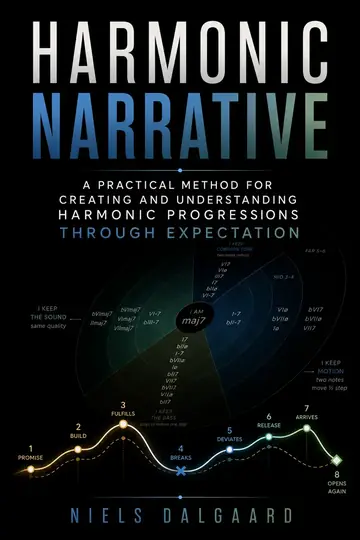
Every one of these tunes is assembled out of the same handful of harmonic resources. Jazz Harmony is those resources, explained in the order in which they build on each other.

Harmonic analysis

Key
C major
Tonal center
C
Confidence
High
Chords analysed
8
ChordRoman numeralFunctionWhat it is doingConfidence
CITonicC is the tonic of C. It is where the progression is at rest.High
C7I7TonicC7 is the tonic, but built as a dominant seventh — the sound that defines the blues. The tonic keeps a b7 and stays at home anyway.High
C7I7TonicC7 is the tonic, but built as a dominant seventh — the sound that defines the blues. The tonic keeps a b7 and stays at home anyway. Also readable as V7/IV.Medium
FIVPredominantF is the IV chord of C: subdominant. It moves away from the tonic without creating the pull of a dominant.High
CITonicC is the tonic of C. It is where the progression is at rest.High

High, medium and low next to each numeral are judgements about musical context, not probabilities. A low rating marks a bar that can honestly be read more than one way. How the ratings are decided →

Why this example matters

Read in C major, these bars come out as I – I7 – IV. There is no substitution and no borrowing in it at all, which is exactly why it is worth playing: it is the sound the substitutions are substituting for. The shortest way in is a two-voice reduction: third and seventh only, slowly. C7 contributes E and Bb, and where that pair resolves is the whole story of the passage. You will meet the same move again in Stella by Starlight, How High the Moon and Ornithology, transposed and at a different pace.

How the rest of On the Sunny Side of the Street goes

The A sections move away from the tonic by a chain of secondary dominants and come back, covering a good deal of ground while sounding entirely settled — which is the trick of the tune and the reason it is so useful for teaching what a secondary dominant does. The bridge is short and functional. The melody sits high in its range and holds notes across bar lines, so on a wind instrument the piece is as much a breathing exercise as a harmonic one.

On the Sunny Side of the Street on record

Jimmy McHugh wrote it in 1930 with lyricist Dorothy Fields, though the attribution has been disputed — Fats Waller was said to have sold McHugh songs outright, and this is one of the titles that comes up in that story. Louis Armstrong recorded it in 1934 and it stayed in his repertoire for the rest of his life; his version is where the tune’s permanent association with an unhurried medium tempo comes from.

Analyze this progression

The excerpt is loaded and editable. Swap a chord for its tritone substitute, delete the preparation, borrow one from the parallel minor, and watch which numerals change and which do not.

Open in Jazz Harmony Analyzer →

Related

← All 100 standards