Avalon Chord Progression & Harmonic Analysis | Niels Dalgaard

Al Jolson & Vincent Rose · 1920 · F major · AABA, 32 bars

Avalon — Chord Progression & Harmonic Analysis

A tune that begins on the dominant and makes you wait two bars for the tonic. Starting on V rather than I is rarer than it sounds, and it is why the first phrase feels like an answer to a question nobody asked.

ii-V-I

Chord progression

Analyzed excerpt

Section: A1 · Bars 1–8

C7 | C7 | F | F | C7 | C7 | F | F

This is a short excerpt, not the full chart. The composition dates from 1920 and is old enough that it is very likely in the public domain in the United States, which is why the excerpt runs longer here — but copyright status varies by territory and by edition, so treat that as context, not as legal advice.

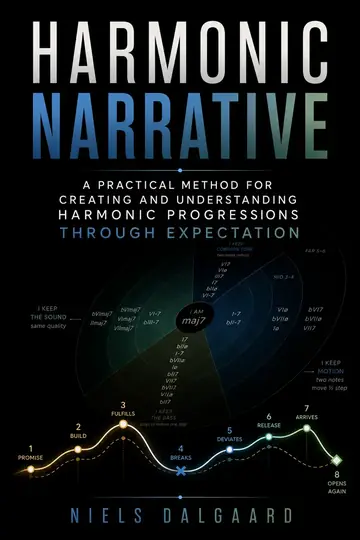
The books behind this page

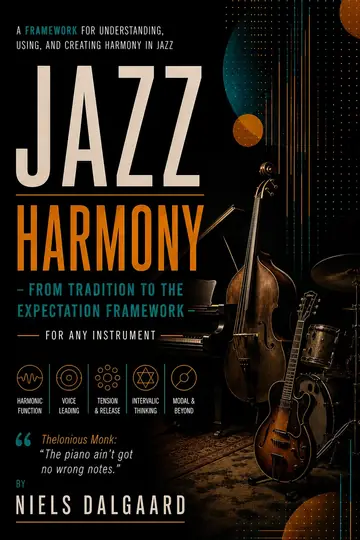
Every one of these tunes is assembled out of the same handful of harmonic resources. Jazz Harmony is those resources, explained in the order in which they build on each other.
Harmonic analysis

Key
F major
Tonal center
F
Confidence
High
Chords analysed
8
ChordRoman numeralFunctionWhat it is doingConfidence
C7V7DominantC7 is the dominant of F. Its third and seventh form a tritone, and that tritone is what makes the tonic feel due.High
FITonicF is the tonic of F. It is where the progression is at rest.High
C7V7DominantC7 is the dominant of F. Its third and seventh form a tritone, and that tritone is what makes the tonic feel due.High
FITonicF is the tonic of F. It is where the progression is at rest.High

High, medium and low next to each numeral are judgements about musical context, not probabilities. A low rating marks a bar that can honestly be read more than one way. How the ratings are decided →

Why this example matters

Read in F major, these bars come out as V7 – I. There is no substitution and no borrowing in it at all, which is exactly why it is worth playing: it is the sound the substitutions are substituting for. The shortest way in is a two-voice reduction: third and seventh only, slowly. C7 contributes E and Bb, and where that pair resolves is the whole story of the passage. You will meet the same move again in Autumn Leaves, All The Things You Are and Tune Up, transposed and at a different pace.

How the rest of Avalon goes

Short, fast and built almost entirely from a dominant chain descending the cycle of fifths, so the harmony is doing one thing for most of the form. There is no bridge in the usual sense; the tune is closer to a two-part song than to the AABA shape that came to dominate afterwards. Its brevity is the practical fact to know before calling it — choruses go by quickly, and a soloist who plans in eight-bar units will find the form ending underneath them.

Avalon on record

Published in 1920 and credited to Al Jolson and Vincent Rose. It was the subject of a successful plagiarism suit brought by Puccini’s publishers, who argued the melody derived from an aria in Tosca — the case was settled with damages and a share of royalties, which is an unusual footnote for a jazz standard. It remains common in traditional and gypsy jazz repertoires and rare in modern ones.

Analyze this progression

The excerpt is loaded and editable. Swap a chord for its tritone substitute, delete the preparation, borrow one from the parallel minor, and watch which numerals change and which do not.

Open in Jazz Harmony Analyzer →

Related

← All 100 standards